
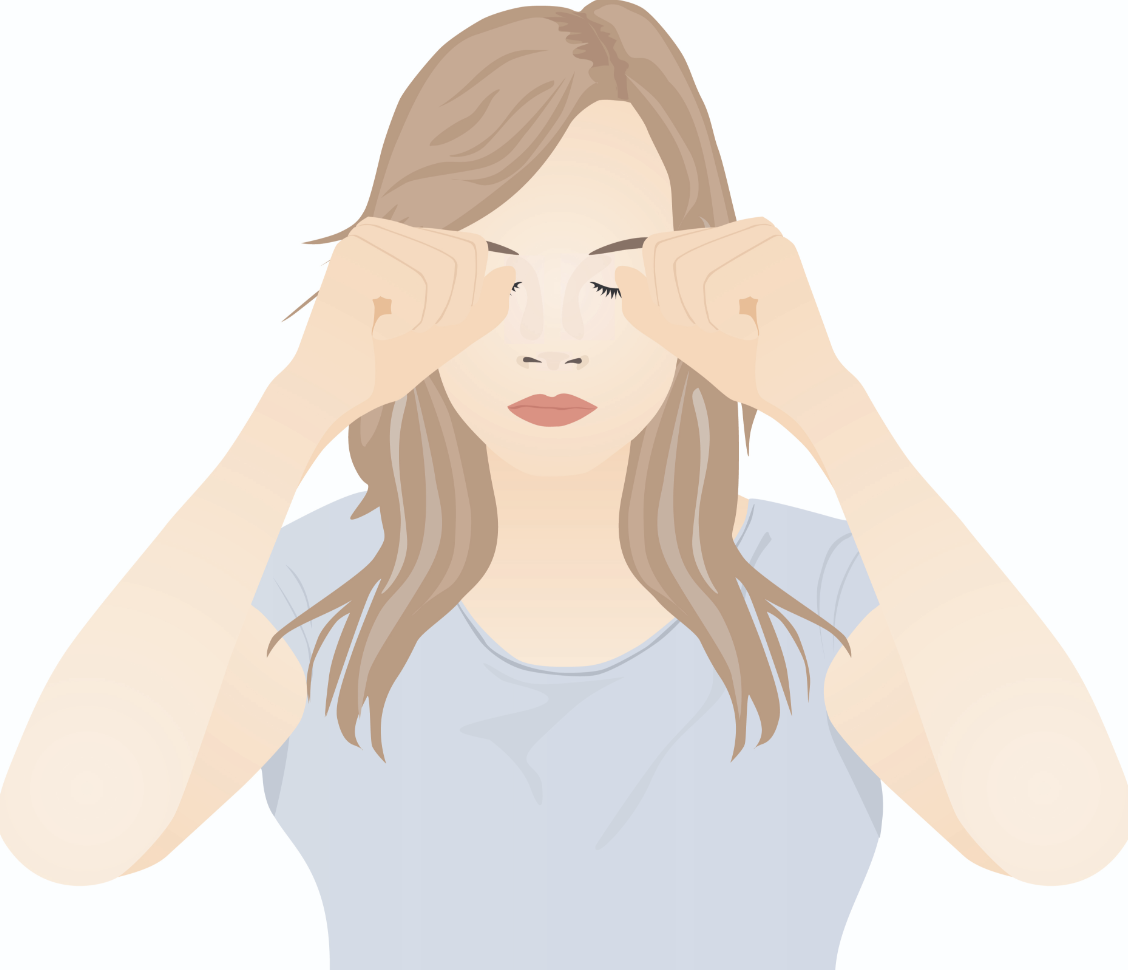
Rubbing your eyes is a common habit that many people engage in. It can be a natural response to tiredness, allergies, or simply a habit when feeling stressed or anxious. However, there are several myths and misconceptions about rubbing your eyes that need to be addressed. In this article, we will explore the myths and truths about rubbing your eyes.
Myth: Rubbing your eyes can cause your eyes to change shape.
Truth: Rubbing your eyes does not cause your eyes to change shape. The shape of the eye is determined by the size and shape of the eyeball, and rubbing your eyes does not affect this. However, excessive rubbing of the eyes can cause temporary changes in the appearance of the eyes, such as redness or swelling. In rare cases, rubbing your eyes vigorously and repeatedly can cause a condition called keratoconus, which is characterized by thinning and bulging of the cornea. However, this is a rare occurrence and is not a common side effect of rubbing your eyes.
Myth: Rubbing your eyes can cause wrinkles.
Truth: Rubbing your eyes can cause temporary wrinkles around the eyes, but it does not cause permanent wrinkles. The skin around the eyes is thin and delicate, and rubbing the area vigorously can cause the skin to become irritated and inflamed. This can lead to temporary wrinkles and dark circles around the eyes. However, these effects are temporary and will usually disappear within a few hours. It is important to avoid rubbing the area around the eyes, especially when removing makeup or applying creams.
Myth: Rubbing your eyes can cause eye infections.
Truth: Rubbing your eyes can increase the risk of eye infections. The hands are a common source of bacteria and viruses, and rubbing your eyes with dirty hands can introduce harmful microorganisms into the eye. This can lead to infections such as conjunctivitis or styes. It is important to wash your hands frequently and avoid rubbing your eyes if you have an infection or if you are experiencing symptoms such as itching or redness.
Myth: Rubbing your eyes can improve vision.
Truth: Rubbing your eyes does not improve vision. In fact, excessive rubbing of the eyes can cause temporary blurriness or distortion of vision. Rubbing your eyes can also cause the tear film to become disrupted, leading to dry eyes and discomfort. It is important to avoid rubbing your eyes and to seek professional advice if you are experiencing changes in your vision.
Myth: Rubbing your eyes can relieve stress and anxiety.
Truth: Rubbing your eyes may provide temporary relief from stress and anxiety, but it is not a healthy coping mechanism. Rubbing your eyes can lead to further irritation and can exacerbate symptoms such as headaches or fatigue. It is important to find healthy ways to manage stress and anxiety, such as exercise, meditation, or therapy.
In conclusion, rubbing your eyes is a common habit that can have temporary effects on the appearance and comfort of the eyes. However, it is important to be aware of the risks associated with excessive rubbing, such as infection or irritation. If you experience persistent symptoms such as itching, redness, or blurred vision, it is important to seek professional advice from an Optometrist. Avoiding rubbing your eyes and adopting healthy habits can help to promote good eye health and overall well-being.