
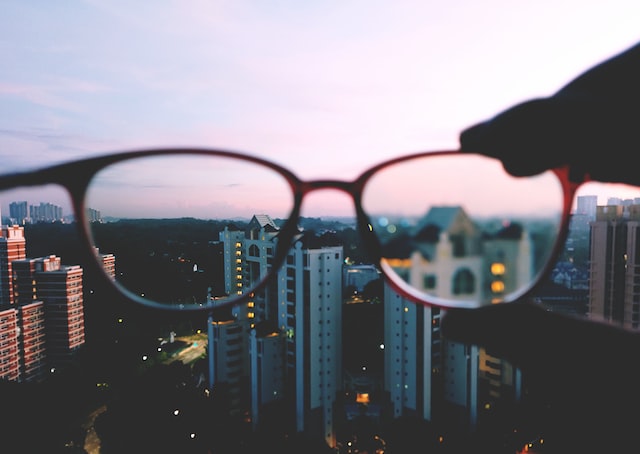
Spectacles, or eyeglasses, have been used for centuries to improve vision and correct refractive errors such as myopia (nearsightedness), hyperopia (farsightedness), and astigmatism. However, there are several myths and misconceptions surrounding the use of spectacles, with one of the most common being that they can make your eyes weaker over time. In this article, we will explore the truth behind this myth and shed light on other related myths and truths about spectacles.
Myth: Wearing spectacles will make your eyes weaker over time.
Truth: Wearing spectacles does not weaken your eyes. In fact, they help your eyes focus properly and can prevent eye strain and headaches caused by uncorrected refractive errors. Refractive errors occur when light entering the eye is not focused correctly on the retina, resulting in blurry or distorted vision. Wearing spectacles helps to correct this by providing the right amount of refractive power to the eye, allowing it to focus light properly.
However, some people believe that wearing spectacles for a long time can make their eyes dependent on them and weaken the eye muscles. This is not true, as spectacles do not affect the eye muscles in any way. The eye muscles are responsible for controlling the movement and alignment of the eyes, and wearing spectacles does not affect their strength or function.
Myth: Wearing spectacles can cure myopia.
Truth: Spectacles do not cure myopia or any other refractive error. They only correct the refractive error by providing the right amount of refractive power to the eye. Myopia occurs when the eyeball is too long or the cornea is too steep, causing light to focus in front of the retina instead of on it. Spectacles for myopia have lenses that are concave or diverging, which help to move the focus of light back onto the retina.
Myth: Wearing spectacles can prevent myopia from getting worse.
Truth: Wearing spectacles may help to reduce eye strain and improve visual acuity in myopia, but it does not prevent myopia from getting worse. Myopia is a progressive condition, and its progression is influenced by several factors, including genetics, environment, and lifestyle. While spectacles may help to correct the refractive error, they do not address the underlying causes of myopia progression.
Myth: Wearing spectacles can cause eye strain and headaches.
Truth: Wearing spectacles that are properly prescribed and fitted should not cause eye strain or headaches. In fact, wearing spectacles can reduce eye strain and headaches caused by uncorrected refractive errors. However, if the prescription is incorrect or the spectacles are not fitted properly, they can cause eye strain, headaches, and even dizziness. It is important to have regular eye exams to ensure that your prescription is up to date and that your spectacles fit properly.
In conclusion, spectacles are a safe and effective way to correct refractive errors and improve visual acuity. They do not weaken the eyes or cause myopia, and they can help to reduce eye strain and headaches. However, it is important to have regular eye exams and to wear spectacles that are properly prescribed and fitted to avoid any discomfort or vision problems.